The Evolution of SBCs

The Evolution of SBCs: From Hobby Boards to Edge Computing
Over the past two decades, single-board computers (SBCs) have transformed from experimental maker tools into the backbone of modern embedded and edge systems. What started as a handful of affordable hobby boards has grown into a diverse ecosystem powering automation, AI, and connected infrastructure around the world.
From Prototypes to Possibility
Early SBCs were humble experiments — small circuit boards combining processor, memory, and I/O on one platform. For years they lived quietly inside industrial machines and educational kits. The real turning point came in the early 2010s with boards like the Raspberry Pi, BeagleBone, and Cubieboard, which brought Linux to the maker community at a scale and price that anyone could access.
These boards opened the floodgates for innovation. Suddenly, home labs, classrooms, and startups could prototype full Linux systems for the cost of a dinner. The appeal wasn’t just price — it was openness, GPIO access, and a thriving community that treated hardware as something to explore, not just consume.
The Rise of a Global Ecosystem
As demand grew, more vendors entered the field: Orange Pi, FriendlyElec, Radxa, and dozens of others expanded on the idea, each offering faster SoCs, more memory, and better I/O.
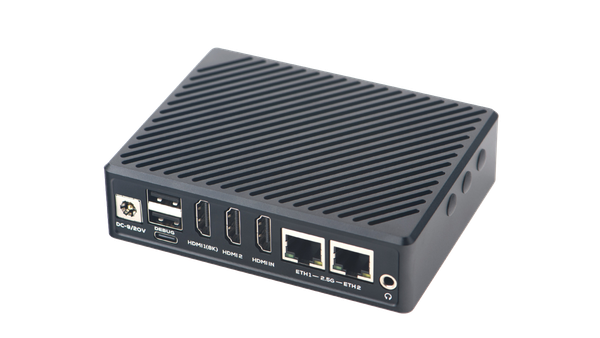
Modern SBCs can now host NVMe storage, multiple displays, gigabit networking, and dedicated NPUs for AI workloads — features once reserved for full desktops or servers.
They power digital signage, smart gateways, home servers, and even small AI clusters. Developers began caring not just about hardware specs, but also kernel stability, upstream drivers, and long-term support — exactly where Armbian excels.
What’s Next
Looking ahead, the direction is clear:
- AI acceleration everywhere – NPUs and neural engines are becoming standard on SBCs.
- Unified software stacks – Containers, orchestration tools, and reproducible builds are reaching the edge.
- Energy-aware computing – Solar and battery-powered deployments highlight the need for lean, resilient systems.
Armbian’s role in this landscape is to provide the stable software foundation that ties it all together — open, optimized, and reliable across dozens of architectures.
In Summary
SBCs have grown up. They are no longer just learning tools or proof-of-concept boards — they are the quiet engines running modern infrastructure at the edge. Armbian sits at the heart of that transformation, helping these devices boot faster, run cleaner, and stay useful long after their first flash.
The evolution of the SBC mirrors the story of open computing itself: innovation born from community effort, refined through shared knowledge, and extended by software that stays light enough to go anywhere.